Business Performance Report Presentation Template

Overview
A business performance report presentation is an essential tool for organizations that need to communicate results, track progress, and share data-driven insights. It helps leaders, teams, and stakeholders understand how the business is performing across key metrics—from financial health to operational efficiency and growth initiatives.
Beautiful.ai’s business performance report presentation template provides a structured, professional layout that makes complex data easy to digest. Whether you're preparing a quarterly business review, summarizing annual results, or delivering updates to investors or department leads, this template helps you present performance with clarity and confidence.
Our business performance report presentation template can help you:
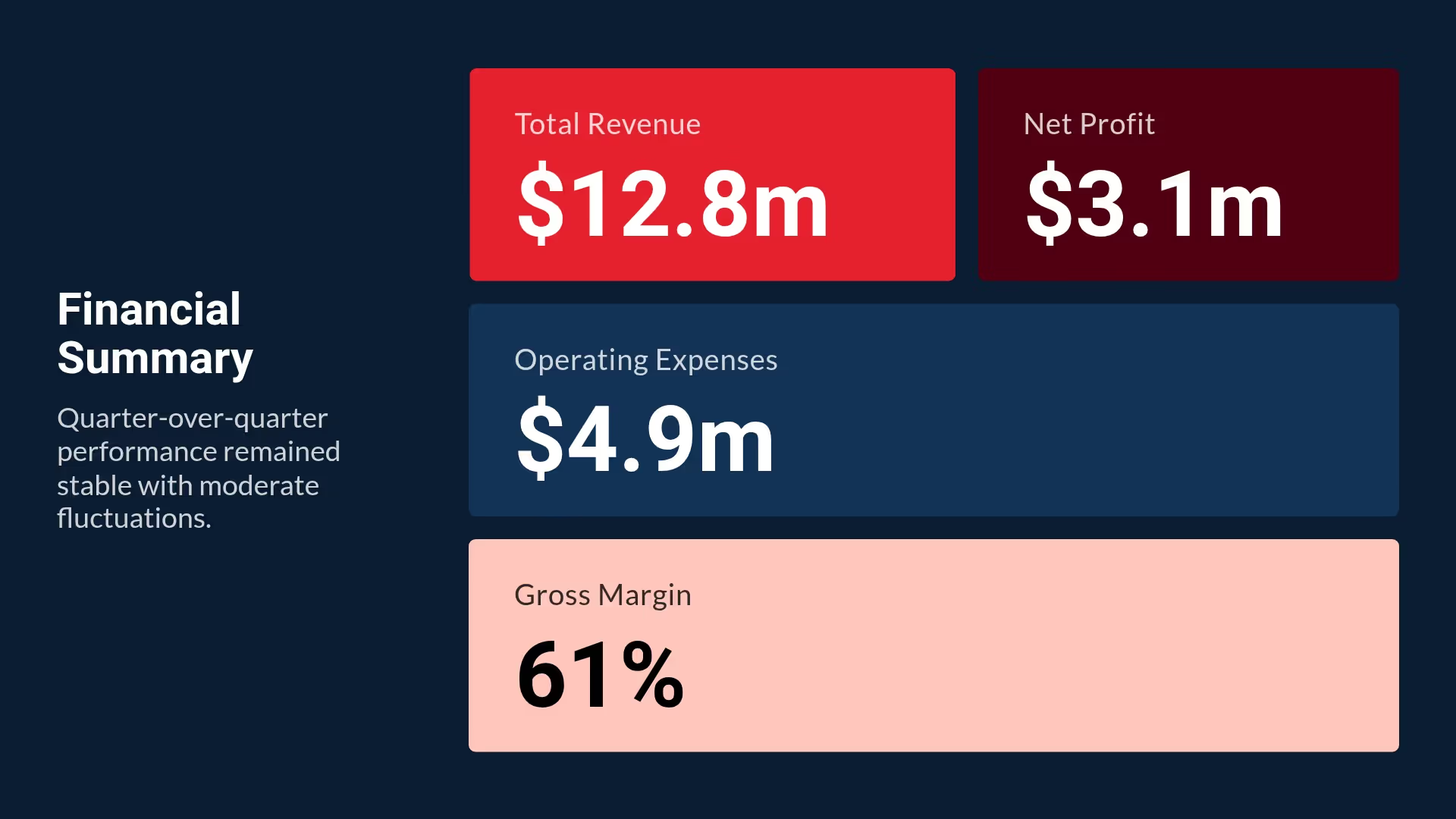
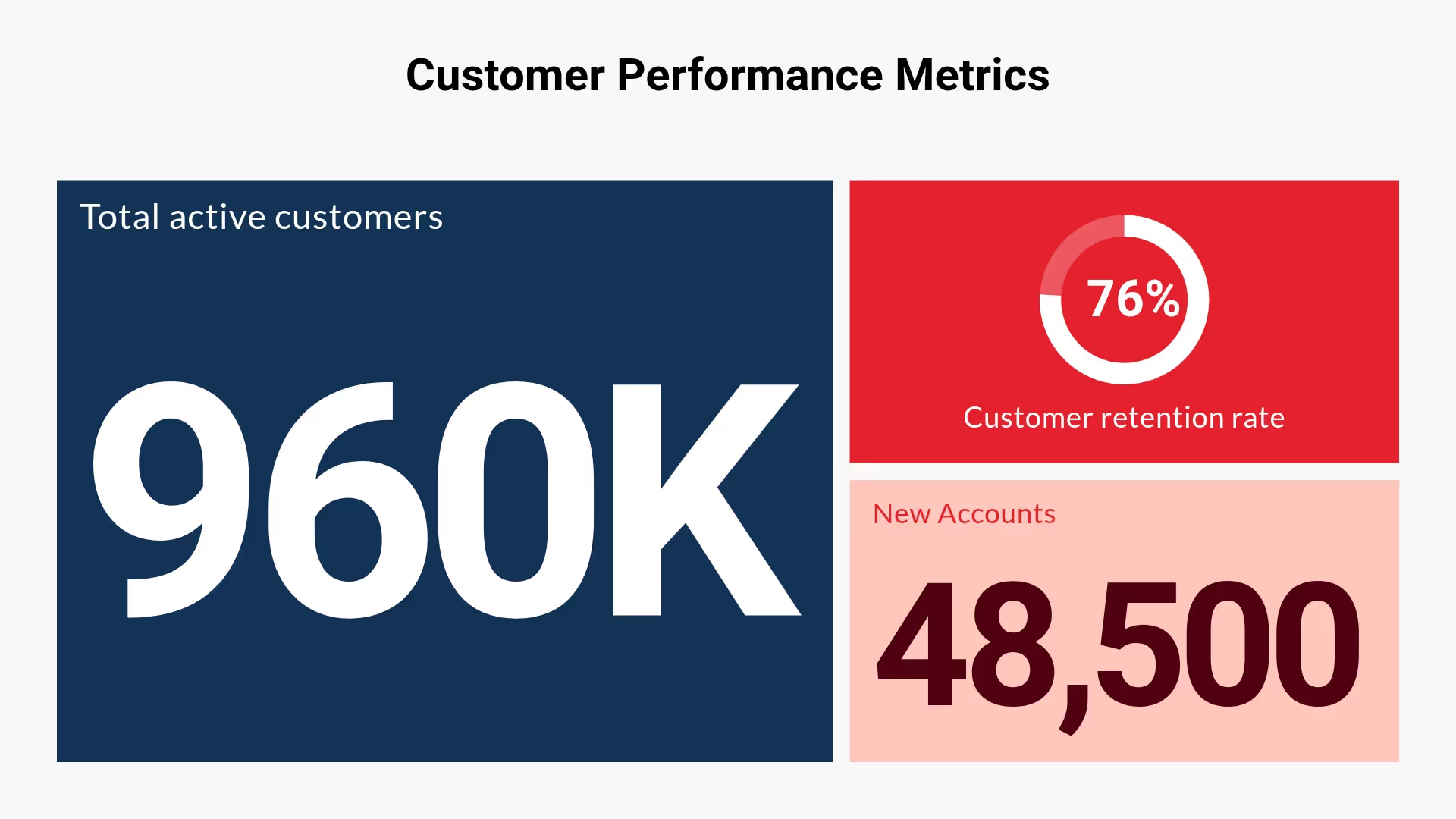
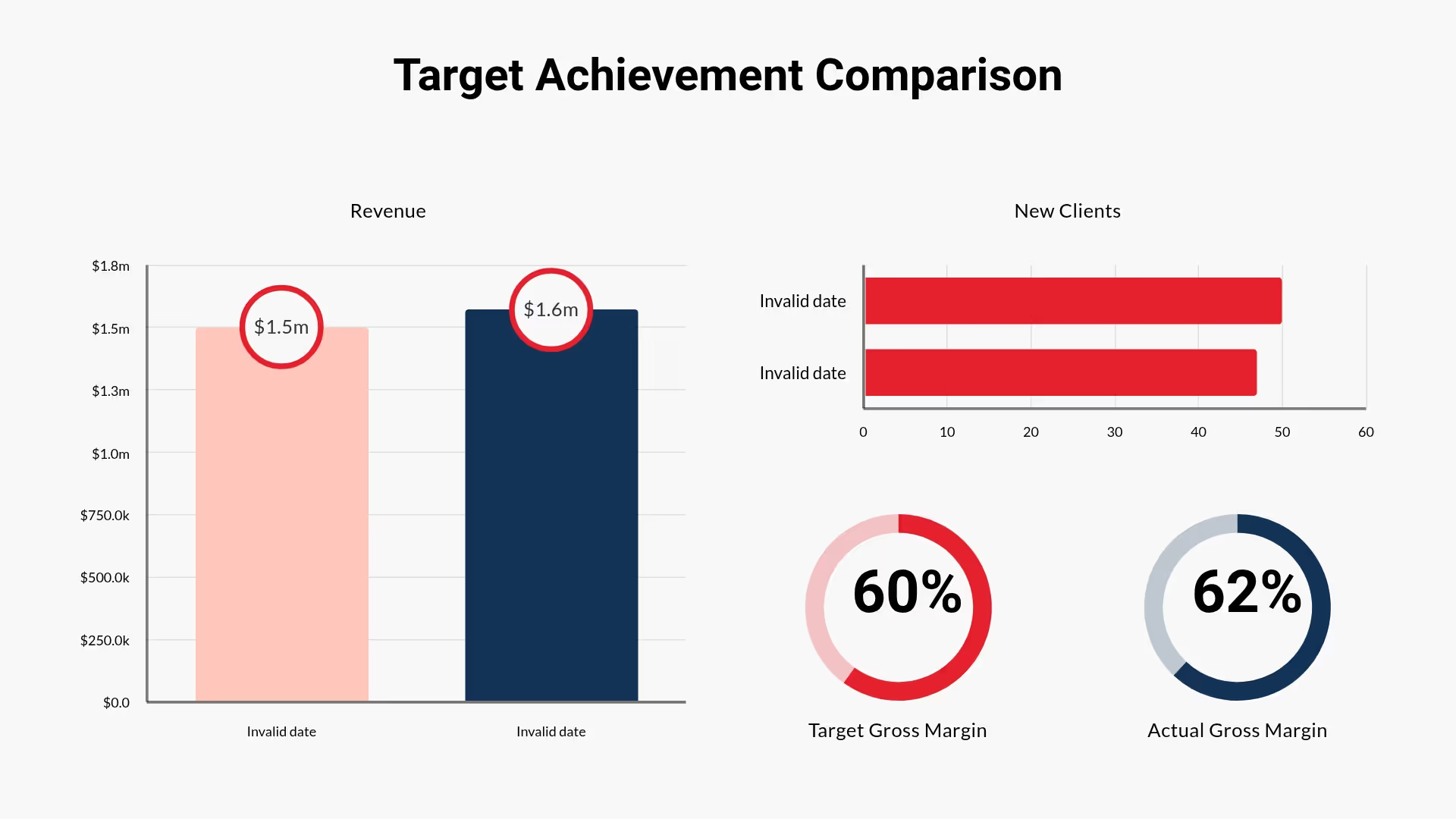
- Highlight KPIs, benchmarks, and performance summaries
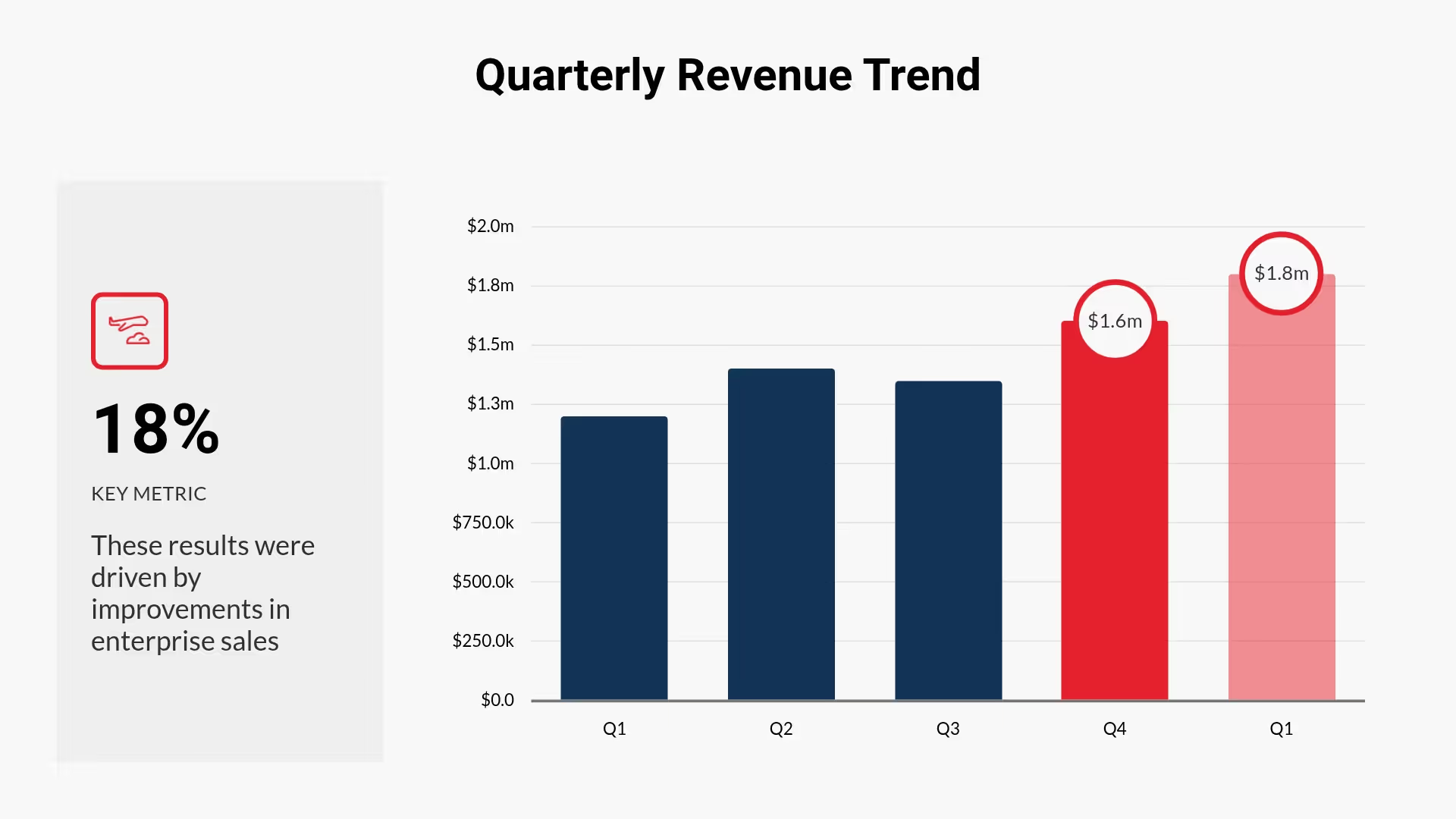
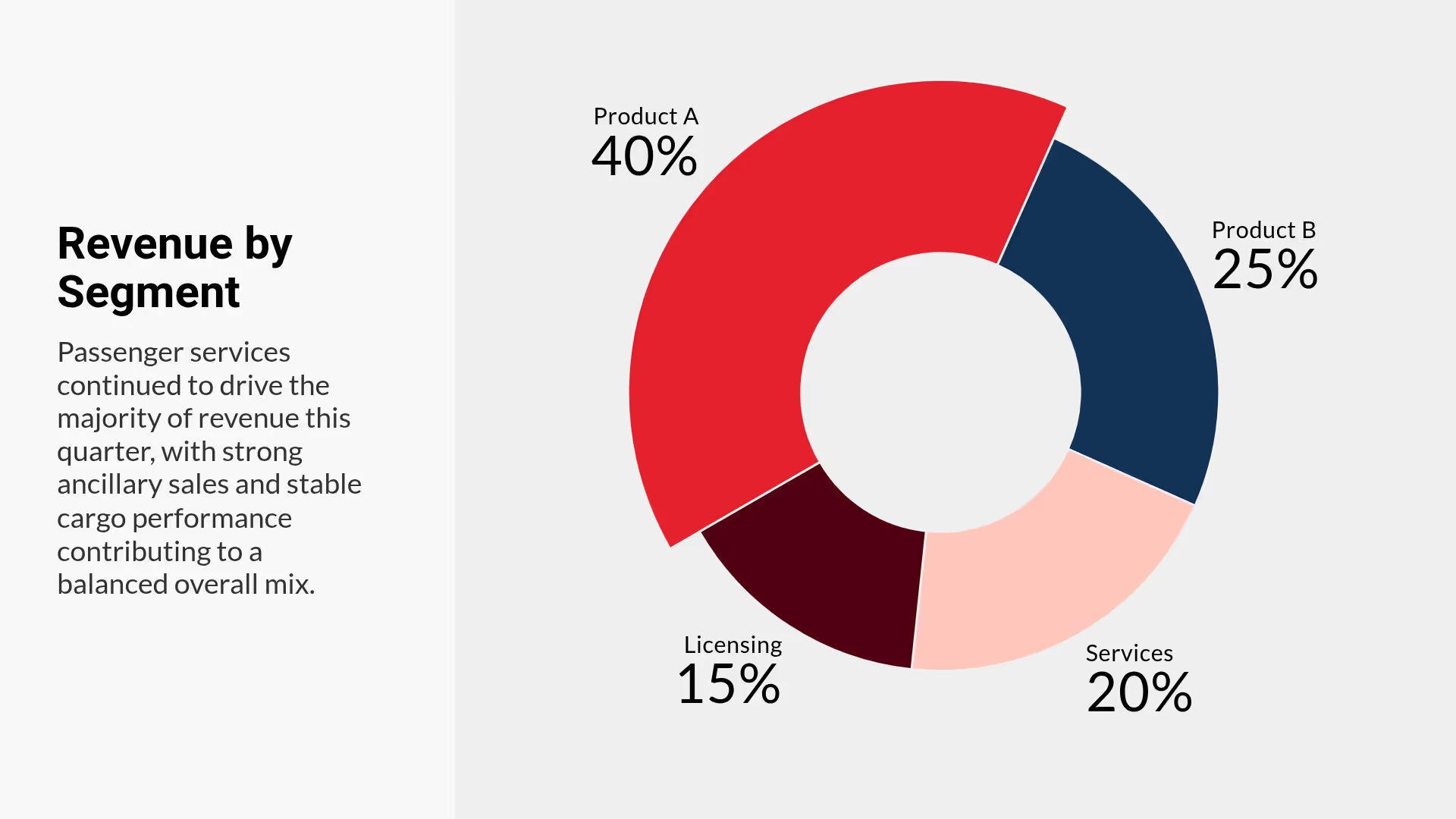
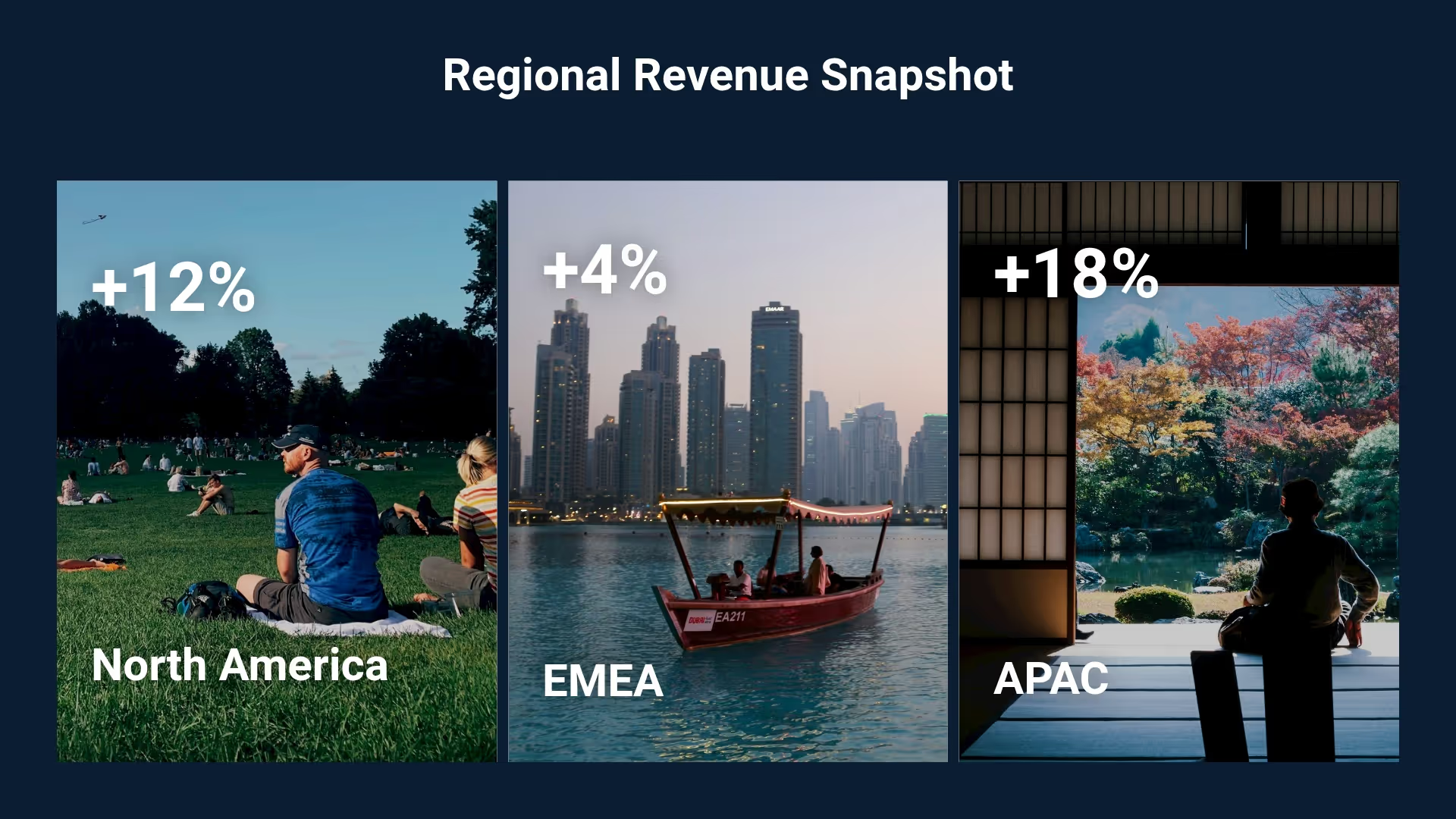
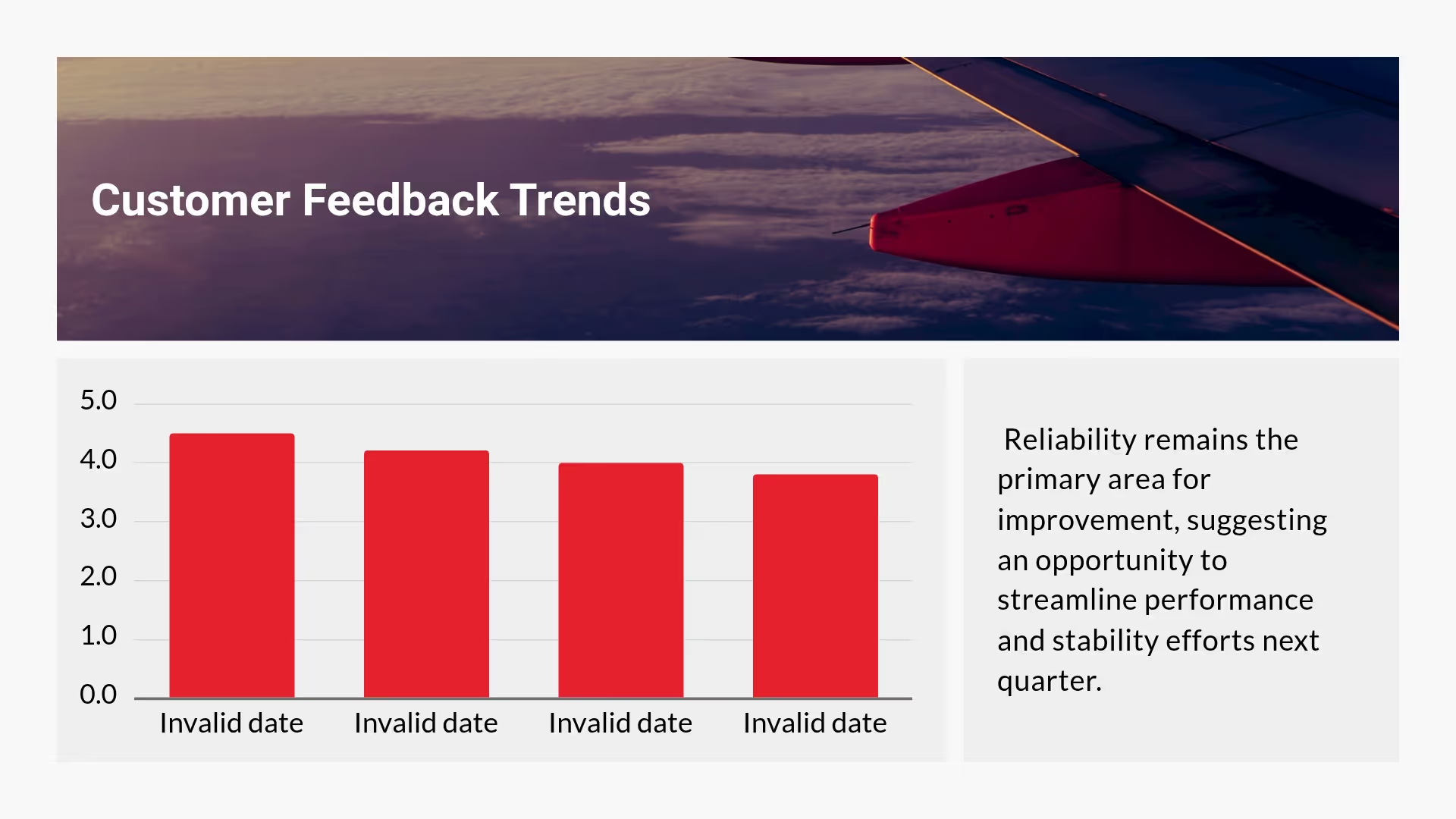
- Visualize financial results, revenue trends, and forecasting
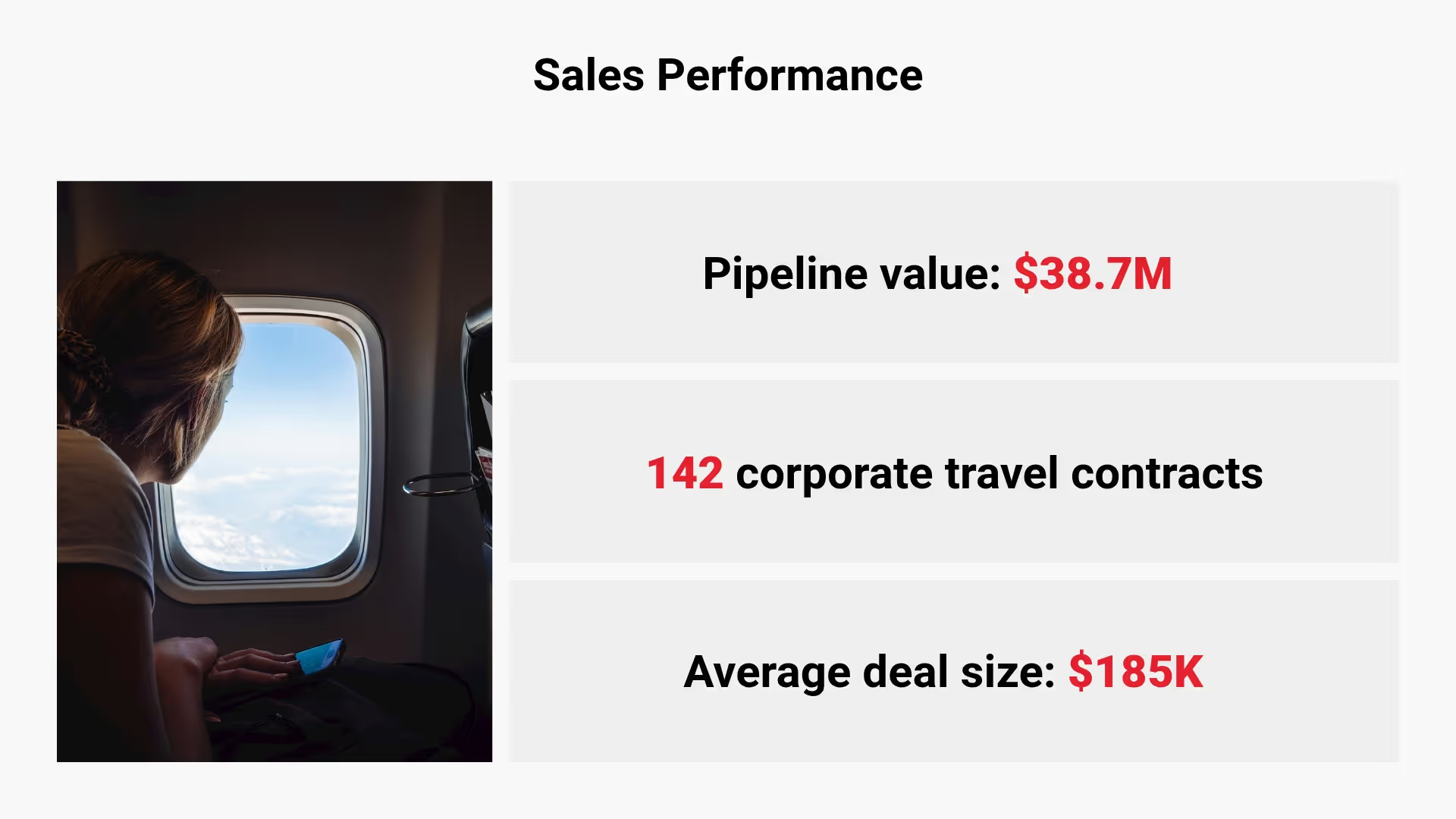
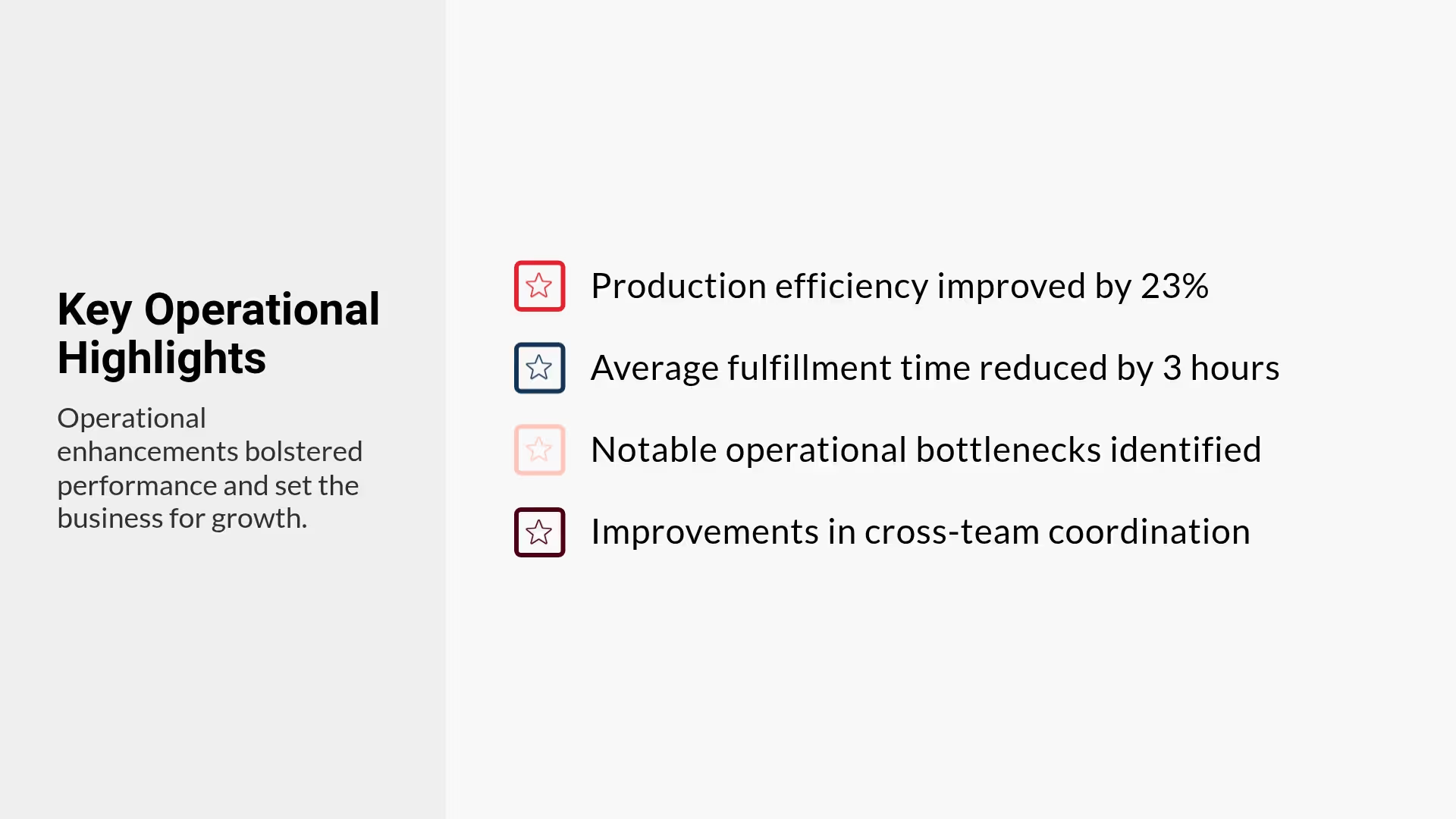
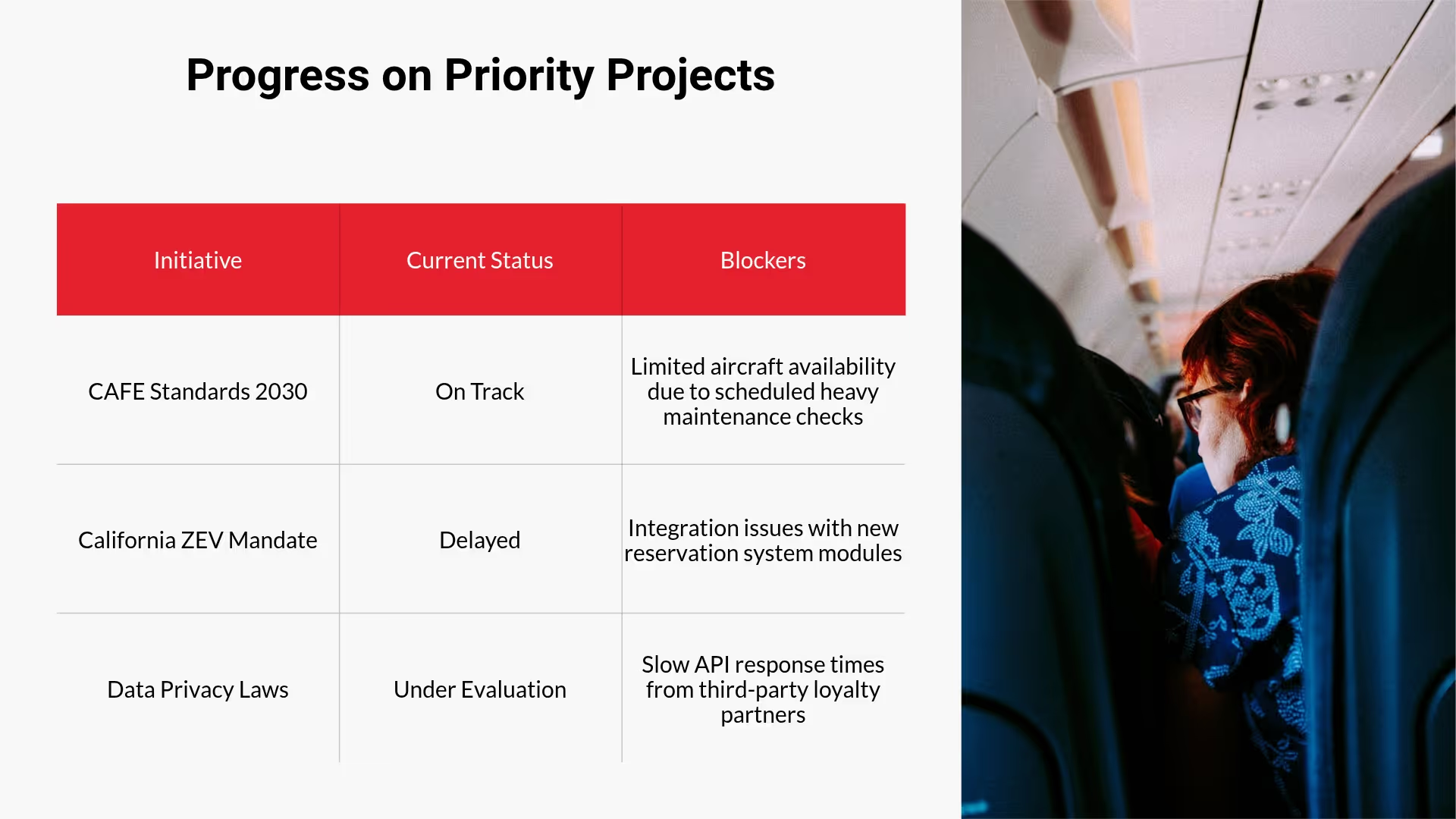
- Communicate operational progress and strategic initiatives
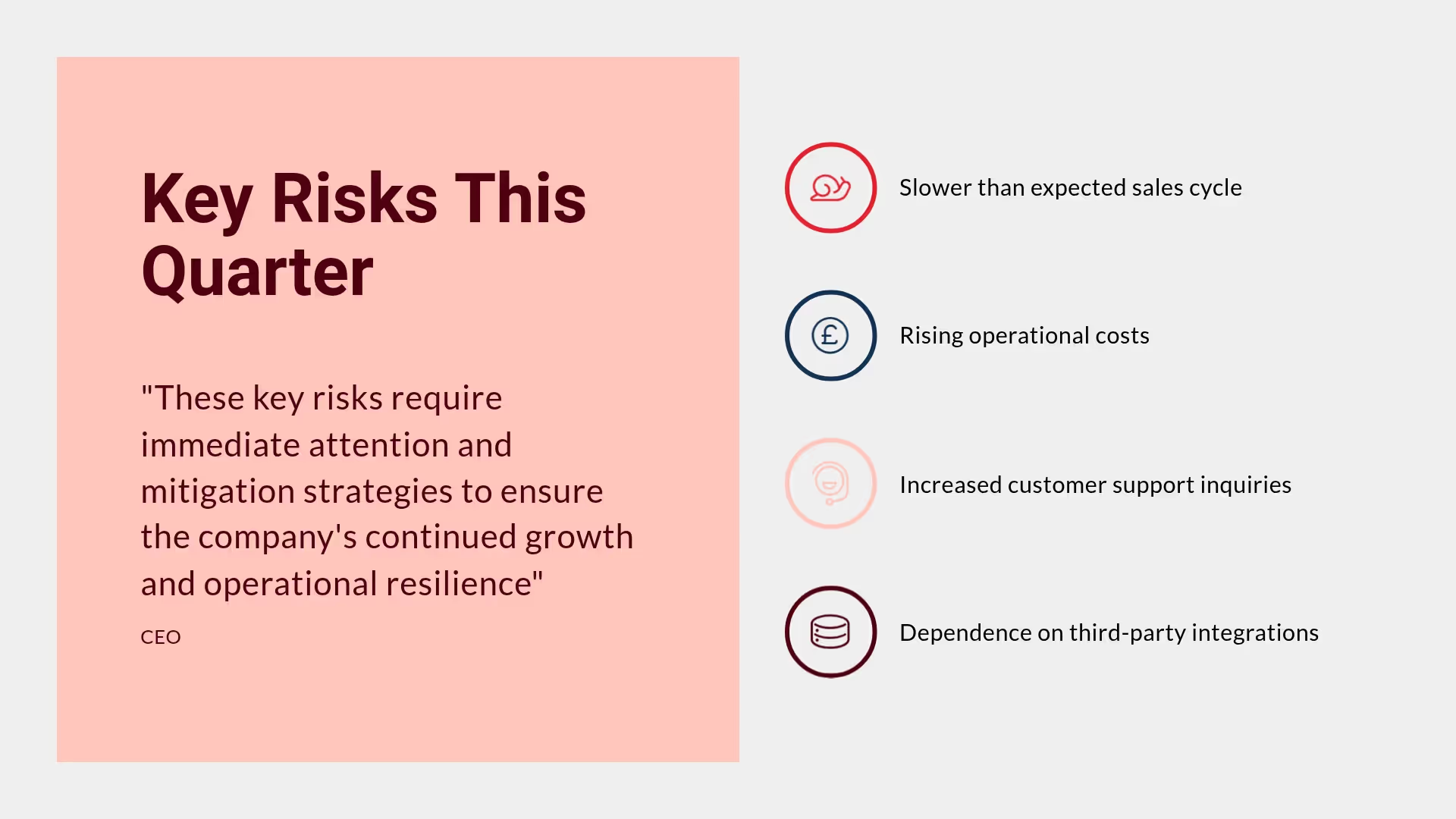
- Identify risks, opportunities, and areas for improvement
- Build a polished performance report in a fraction of the time
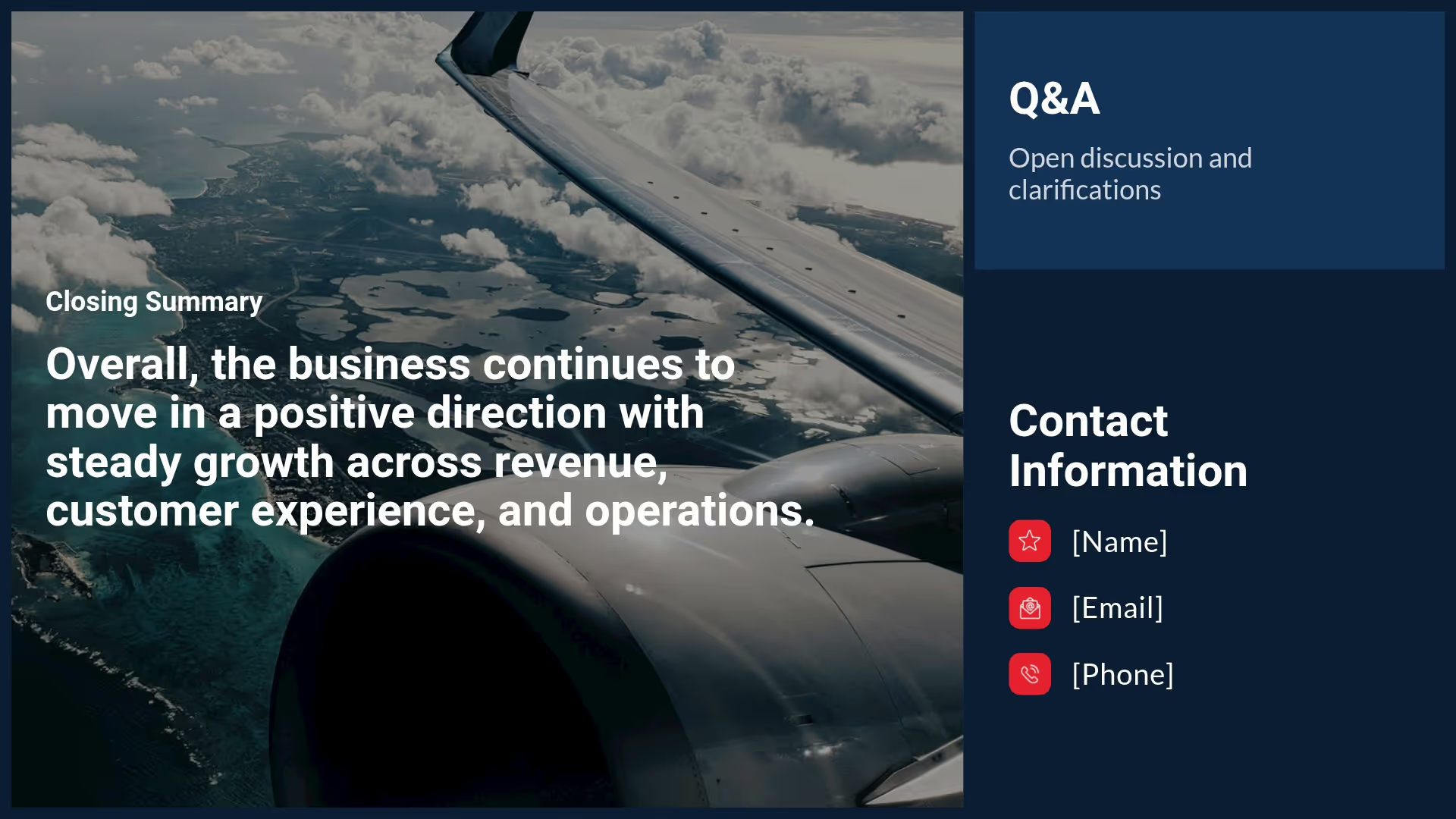
Use our template to create an effective business performance report presentation
Pro tips for building a business performance report presentation
Lead with essential insights
Use visuals to simplify detailed data
Tell a cohesive story
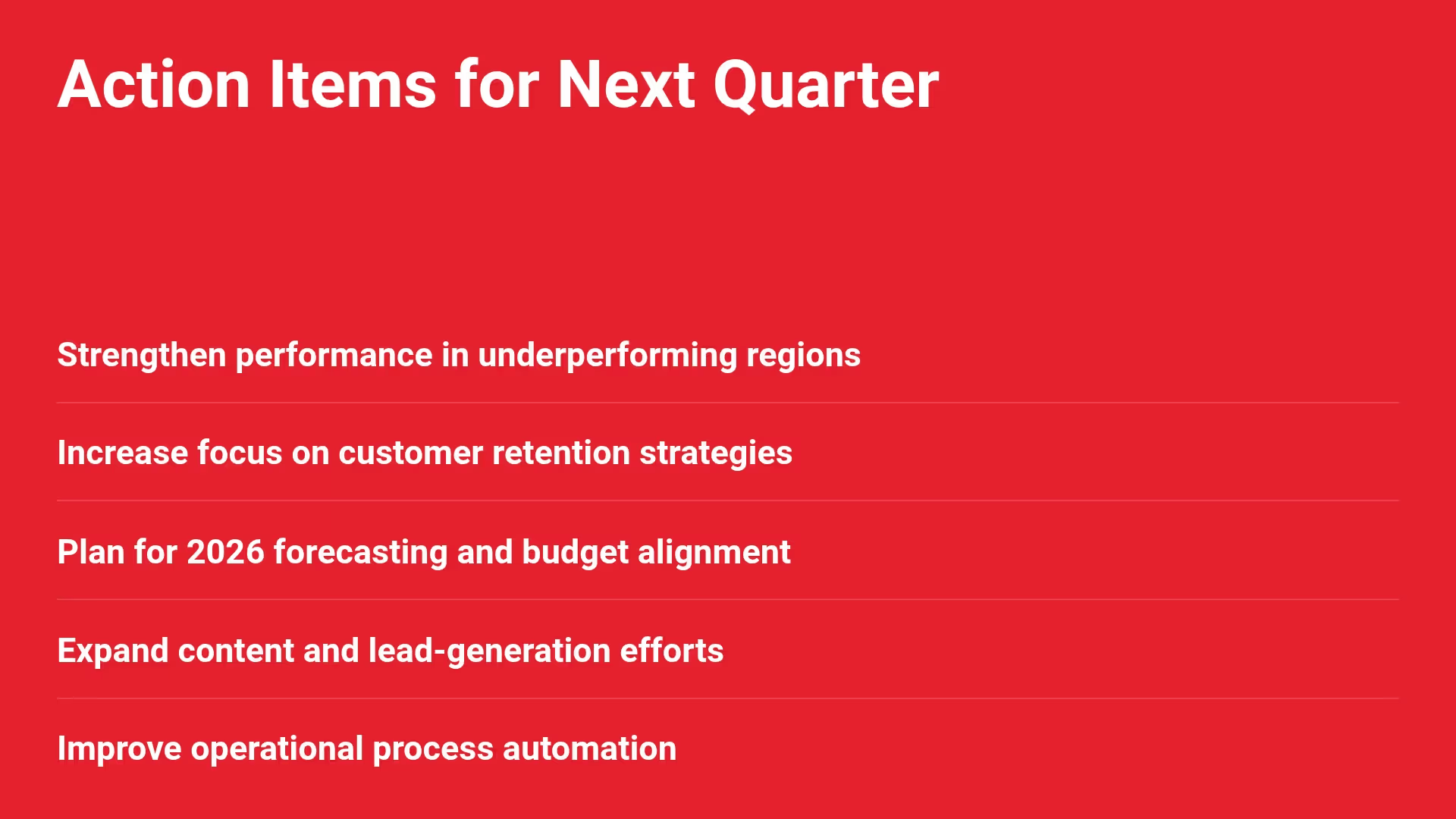
End with forward-looking actions
Related templates

Customer Success QBR Presentation Template
.avif)
Finance Report Presentation Template

Sales Pipeline Review Presentation Template
The AI presentation maker for faster impact
With AI that kickstarts your deck and Smart Slides that handle the formatting, you can focus on your story, not the alignment. Go from create, edit, to present with designer-level polish and in a fraction of the time.
Features to ideate, edit, collaborate, and present.
We’re a complete presentation platform. Everything you need is in one place.




Smart Slides
Smart Slides auto-align, resize, and animate your content as you edit, so you focus on the message, not formatting.
Create with AI
Kickstart your ideas with AI. Just enter a prompt, add extra context, and get a beautiful presentation in seconds.
Themes & brand control
Define colors, fonts, logos, icons, and footers once. Save and reuse brand themes across decks and teams.
Data visualization
Instantly create animated charts and graphs. Link any spreadsheet for fast edits and live updates.
Image libraries
Get direct access to an expansive library of free, real-life stock images and videos, no need to leave your slide.
Presentation templates
Discover our gallery of professionally designed presentation templates, multi–slide decks built to give you a head start.
Presentation workflows
Shared slide libraries, real-time collaboration, user permissions, locked themes, and more.
Viewer analytics
Control access, and track engagement so you know what resonates, and when to follow up.
Animation & narration
Add embedded voice or video context to any slide - so your message lands clearly even when async.


“Beautiful.ai helps us quickly create clear and compelling presentations to share our strategy and results. It has been easy to integrate our branding and to pull from the library of materials created by others — building a cohesive and collaborative suite that helps us advance our mission."

"Beautiful.ai increased our efficiency. I mean, 50% sounds crazy, but it's pretty accurate when you consider all of the manual stuff that we used to have to do that Beautiful.ai now does for us."

"What you guys have created is a foolproof way to ensure quality presentations. It's almost just like they have a graphic designer over their shoulder while they're creating their decks."

“For any business owner or entrepreneur where time is of the essence you lose the ability to put those nice touches on presentations, Beautiful.ai does it for you, especially if you aren't creatively gifted!”
Related blog posts
.gif)
Beautiful.ai for Sales Teams: 7 Features That Close Deals Faster
.gif)
How to Create an AI-Powered Marketing Campaign Deck in Under 30 Minutes
.avif)
The Anatomy of a High-Converting Demo Deck
Try it free for 14 days
Start building Beautiful presentations.

